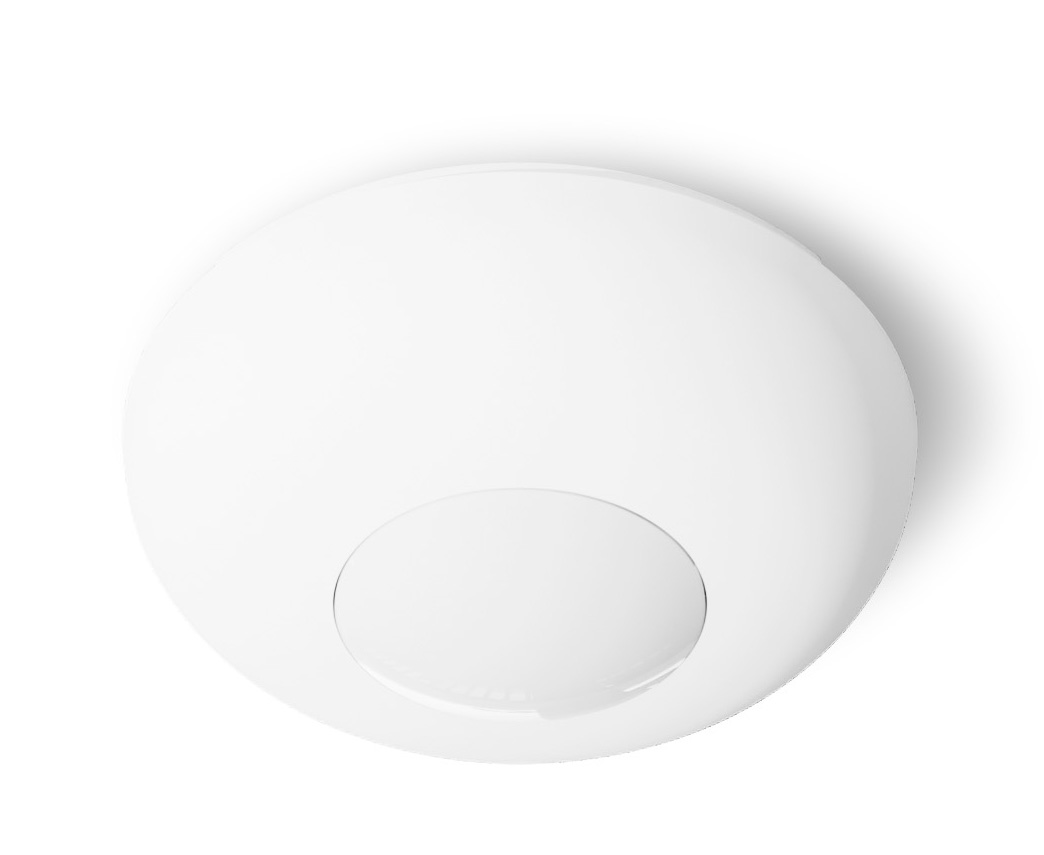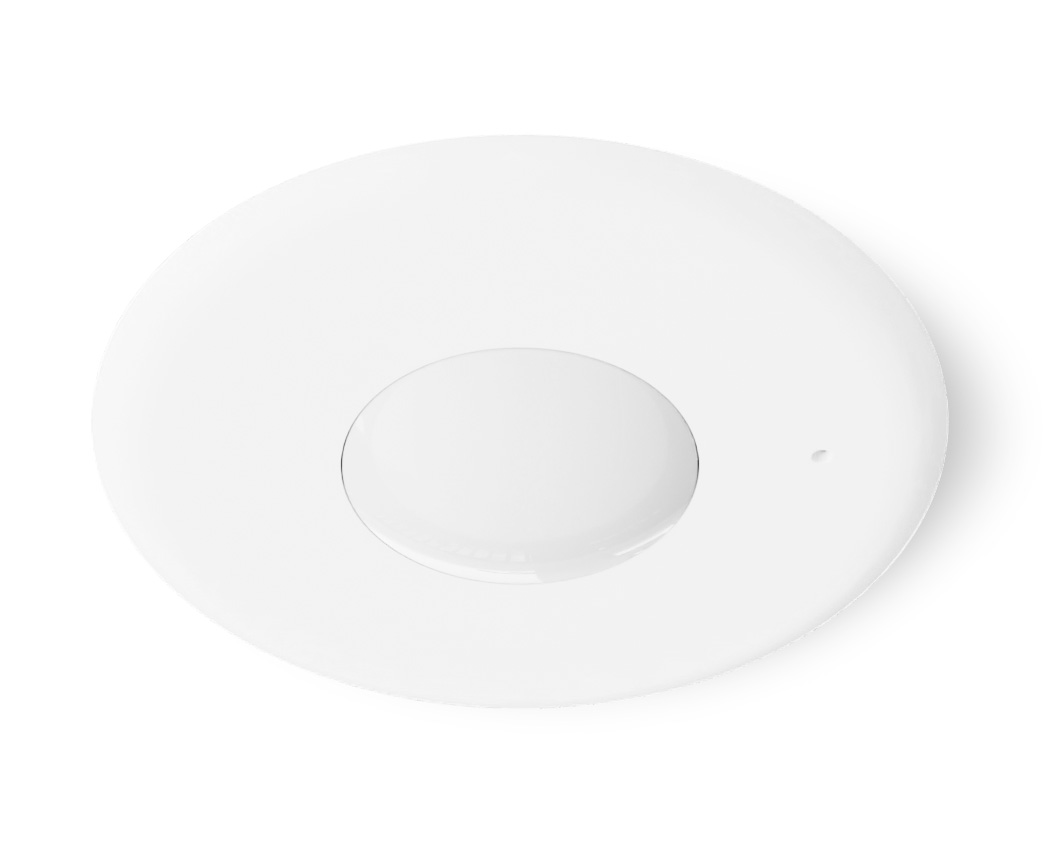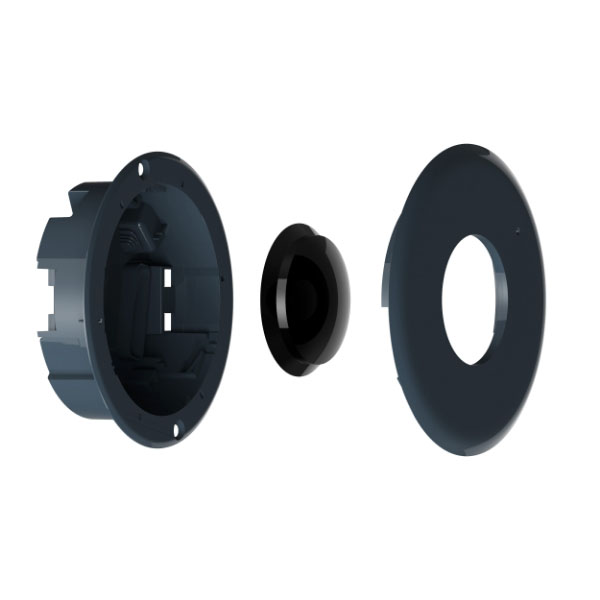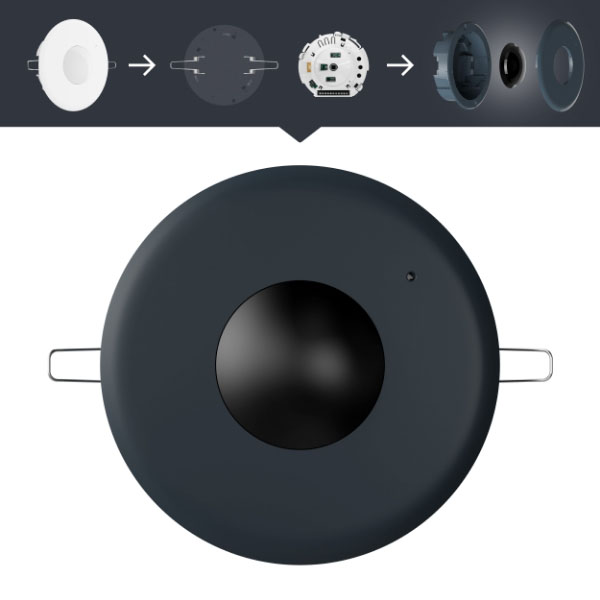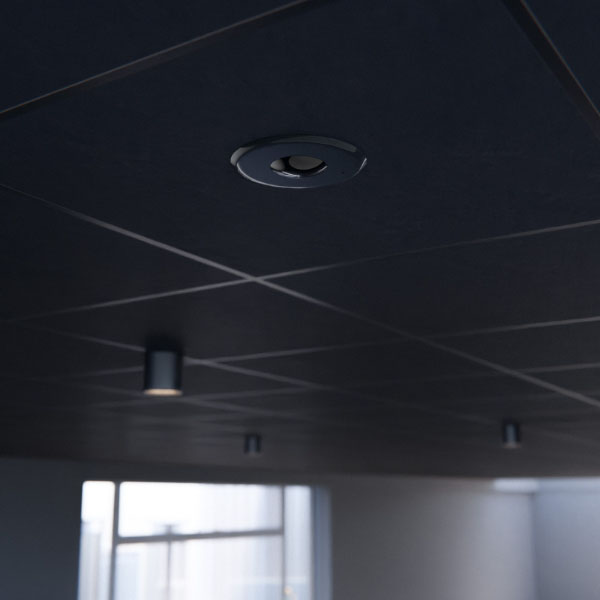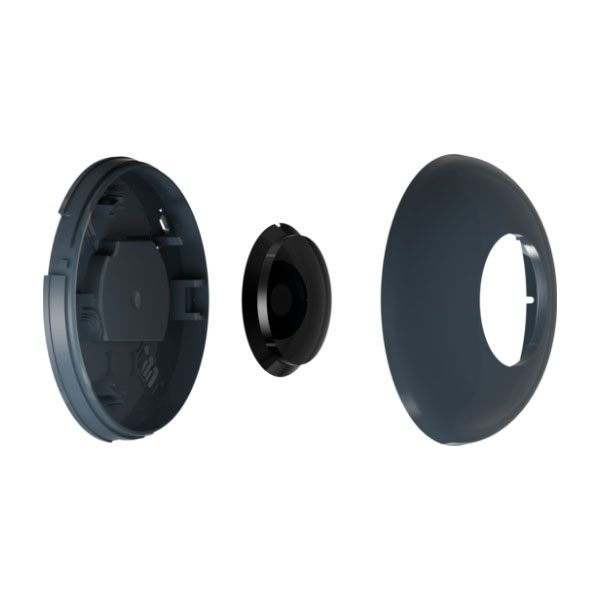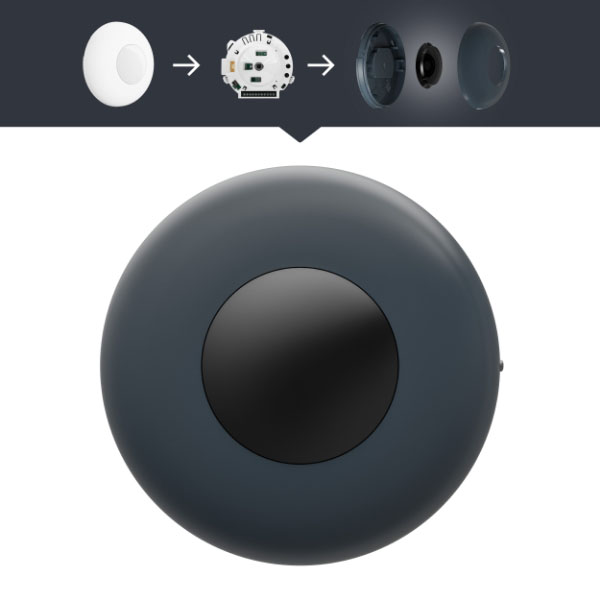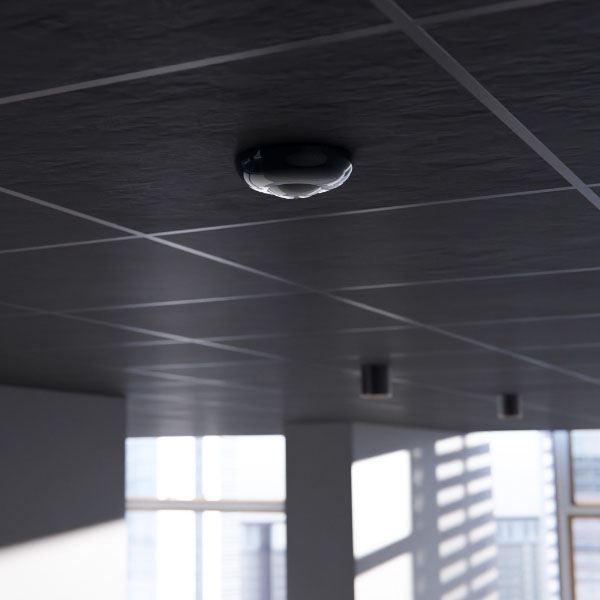

Discover the SLIM LINE ceiling detectors – devices that bring together precise 360° detection, flexible installation options, and a modern, universal design consistent with the wall-mounted models. An ideal solution for discreet yet effective protection in demanding spaces.
multiple functions
from a single point
(when installed at a height of 3,5 m)*
integrated end-of-line resistors*





*applies to selected models
The SLIM LINE ceiling detectors include a variety of models – from basic PIR detectors, through dual technology versions, to specialized variants with additional features (such as additional LED illumination or enhanced Grade 3 security)

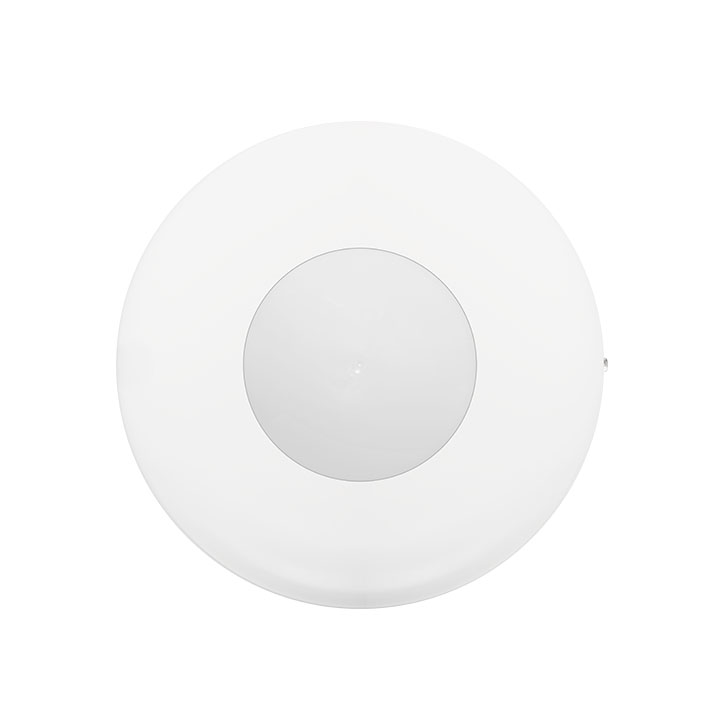
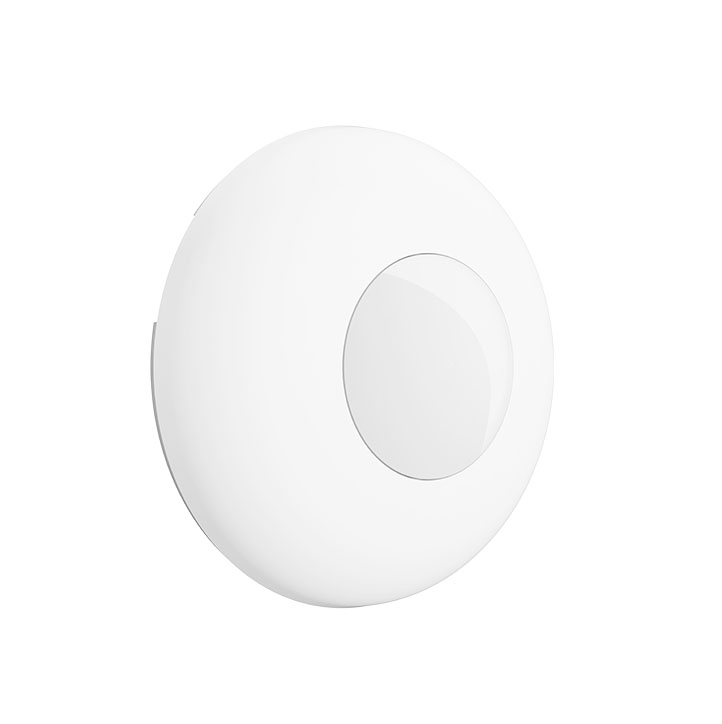
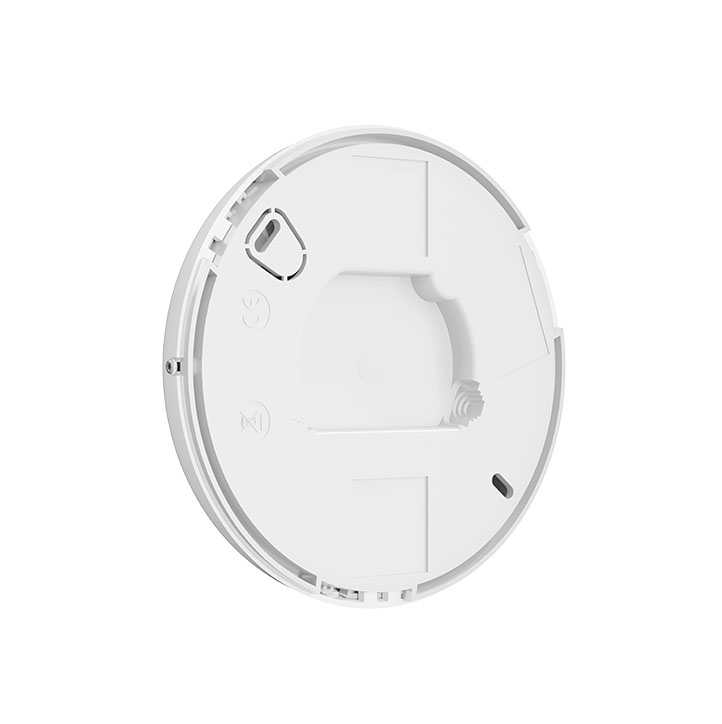
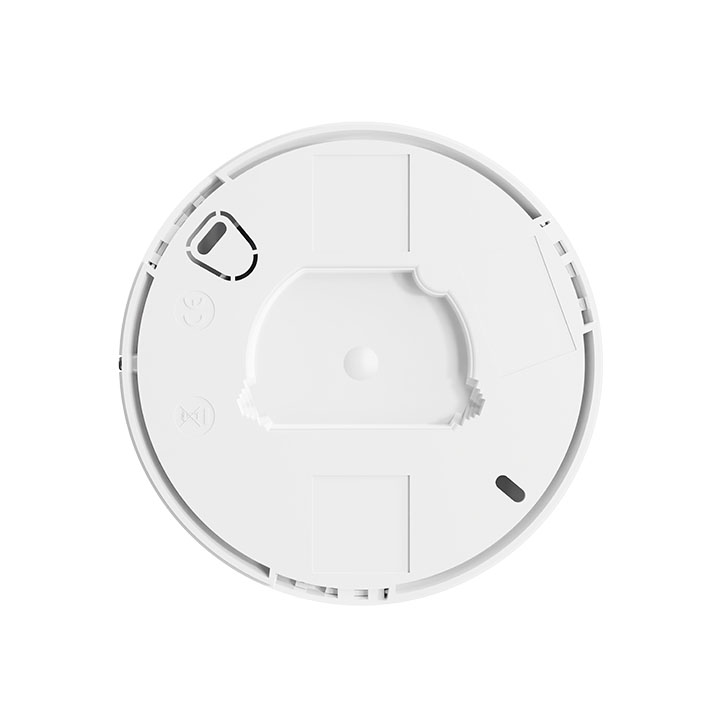
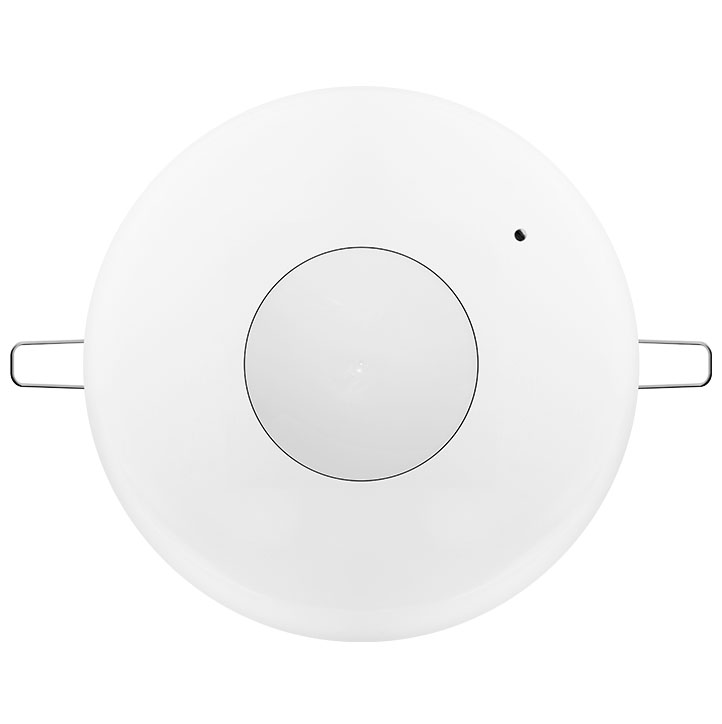
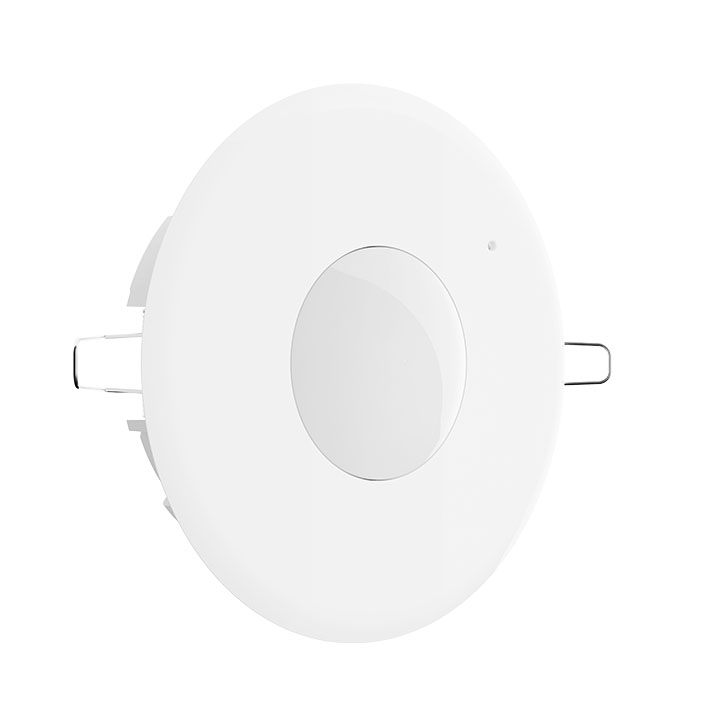








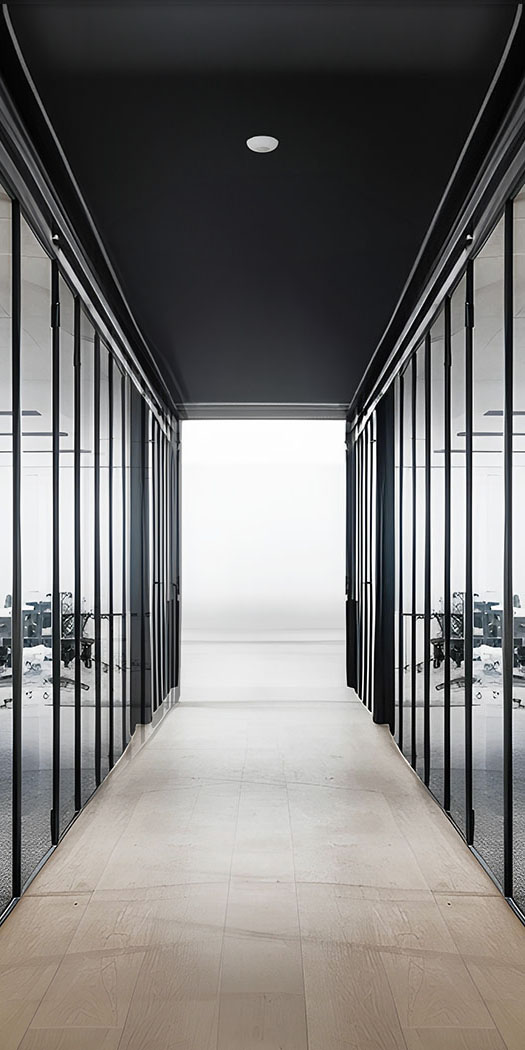
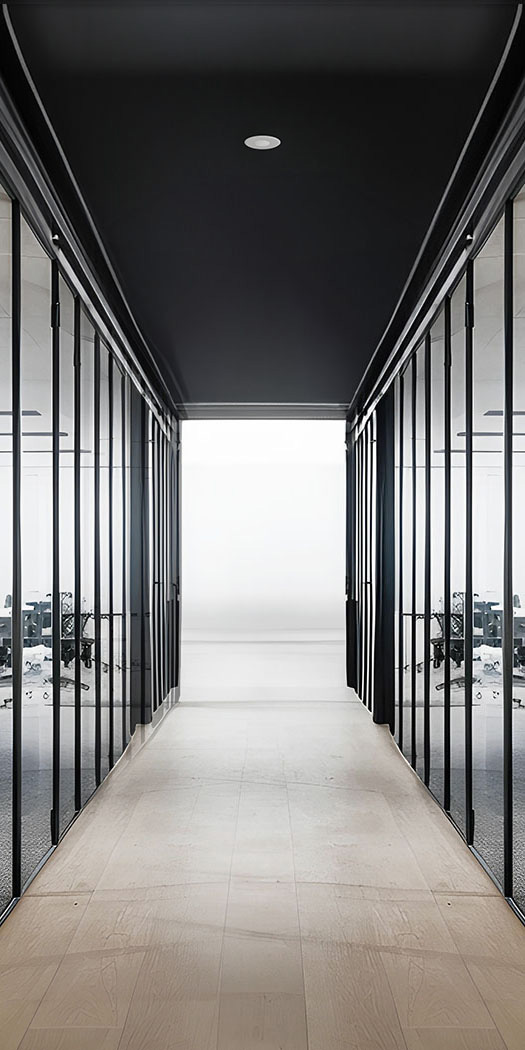
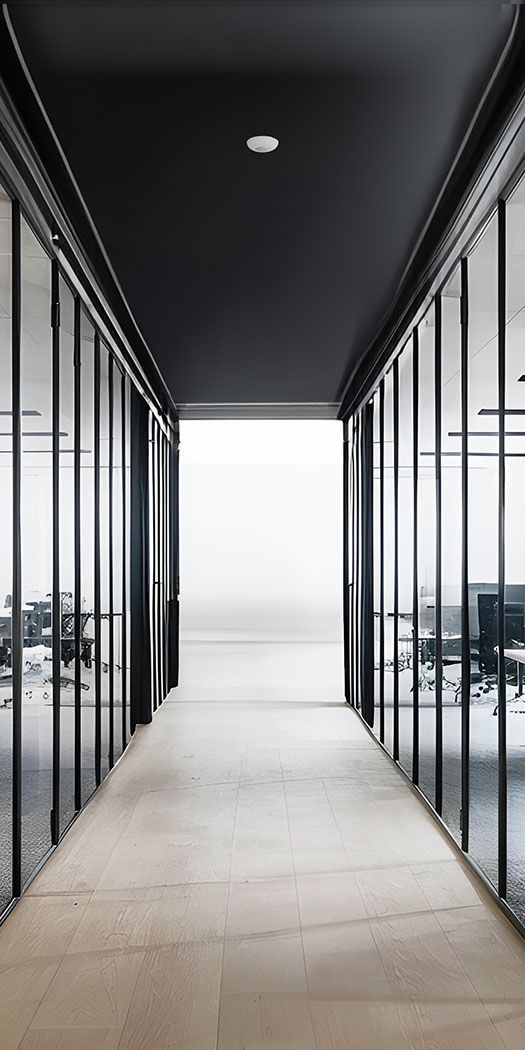
Some interiors cannot be effectively secured with a traditional wall-mounted detector. An unusual layout, glass partitions, or objects blocking the detection area — these are situations where a ceiling detector is more effective.
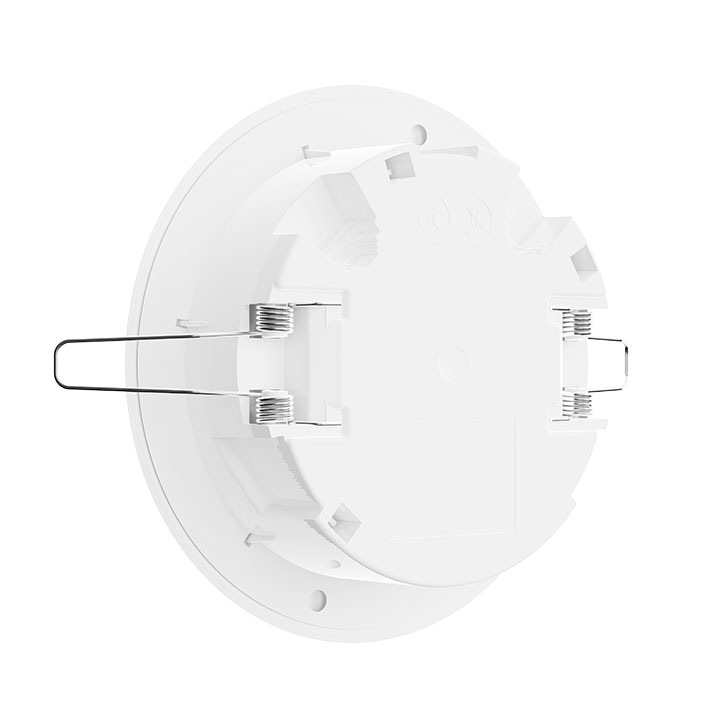
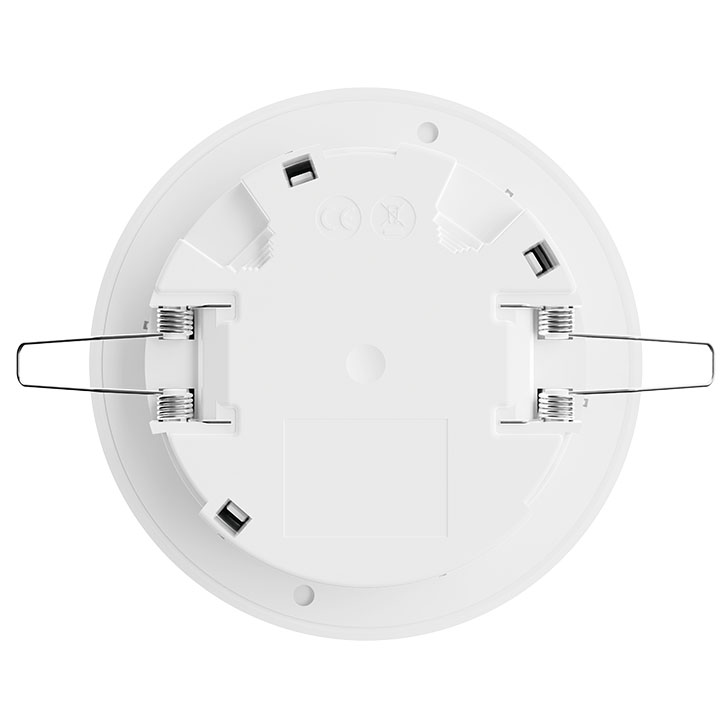
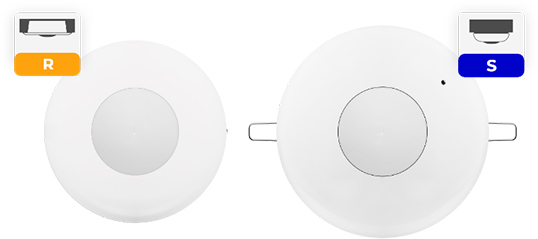
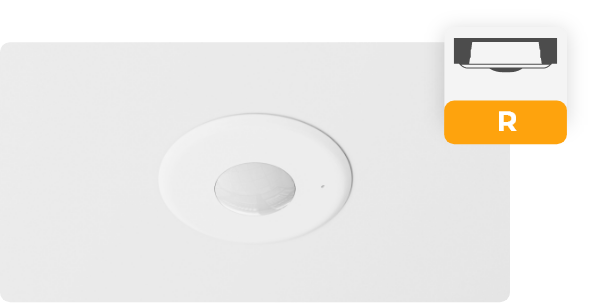
The SLIM LINE ceiling detectors are equipped with several key tamper protection features designed for immediate identification of any attempt to interfere with the device’s operation: enclosure opening sensor, detachment sensor (model R), and repositioning sensor (model S).*
Applications:
Open interiors, large glazed surfaces, and spaces without partition walls – as well as rooms where a traditional wall-mounted detector could be obstructed by furniture or decorative elements. Ceiling detectors ensure even coverage of the entire room and eliminate blind spots.

Basic models:
For more demanding environments
Why choose dual detectors (PIR+MW)?
Application
Rooms equipped with air conditioning, ventilation systems, large glass surfaces, or intense lighting. In such environments, standard PIR detectors may be less effective – that’s why dual detectors, using two independent detection technologies, are a better choice.
For facilities requiring a high level of security
Application
Protection of high-risk facilities where a security breach could lead to major financial or legal consequences. Recommended for sites subject to formal requirements, including defence, government, or insurance regulations, as well as tender specifications.
What is IR anti-masking?
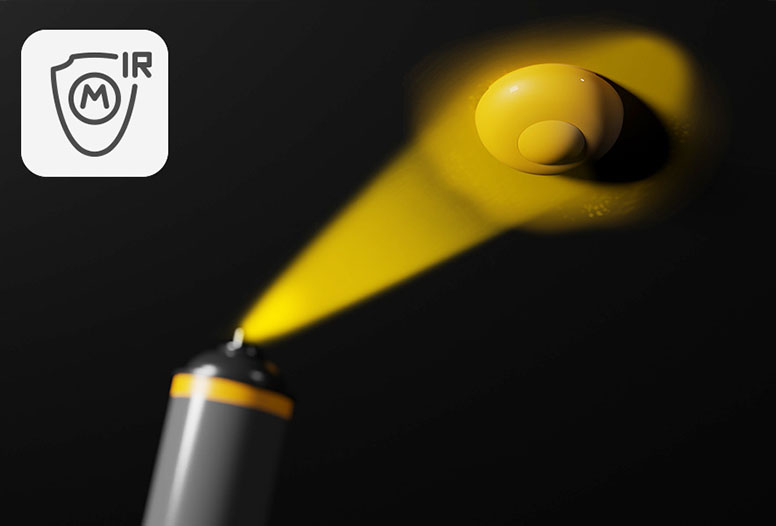
It is a feature that identifies attempts to deliberately block the detector’s field of view. The area directly in front of the lens (or on its surface) is continuously monitored for materials that could interfere with detection - such as tape, paint, foam, or other obstructions. When such interference is detected, a tamper alarm is immediately triggered.
Where else are PRO models a good fit?
PRO models are not only intended for facilities requiring Grade 3 protection. The IR anti-masking function also proves useful in situations where:

When you need extra light in the room.
Why choose LUNA models:
Two sensitivity levels
LUNA models let you switch between two sensitivity levels remotely. This makes it easy to, for example, adjust motion detection to the system’s current state. When the partition is disarmed, the lighting can respond even to the slightest movement. When armed, the detector can operate with settings that minimize false alarms.
Applications:

When you need more detailed diagnostics and faster data exchange
Why choose SATEL BUS detectors:
What is SATEL BUS?
SATEL BUS is our proprietary device communication system based on the RS-485 standard. It enables fast data exchange, device identification and enhanced system diagnostics.
Where wiring is not available or cannot be run
Applications:


When you only need lighting control
Applications:
surface-mounted installation
Applications:
Schools, warehouses, technical rooms, and other areas without suspended ceilings that still require supervision.
How to install a ceiling detector?

A detailed installation guide can be found in the technical documentation of the respective model.
Applications:
How to install a ceiling detector?
A detailed installation guide can be found in the technical documentation of the respective model.
What distinguishes a ceiling detector from a wall detector?
Ceiling detectors are installed in the centre of a room, providing full 360° coverage from a single point. They’re ideal for open spaces, interiors without traditional partition walls, or locations where wall-mounted motion sensors could be obstructed by furniture.
When does it make sense to use a dual detector (PIR + MW)?
Dual detectors perform best in environments with challenging conditions, such as drafts, temperature fluctuations, or intense lighting. By combining two detection technologies, they reduce the risk of false alarms.
What is Grade 3 and when is it required?
Grade 3 is a security level defined by the EN 50131 standard, required in high-risk facilities such as server rooms, financial institutions, or back rooms of electronics stores. Detectors of this class feature anti-masking functions and advanced tamper protection mechanisms.
Are SLIM LINE ceiling detectors suitable for homes and offices?
Yes. Thanks to their compact and elegant design, SLIM LINE motion sensors blend perfectly into residential and office interiors. Recessed models are also available, providing maximum installation discretion.
How do LUNA detectors with a lighting function work?
LUNA detectors are equipped with built-in LEDs that automatically turn on when motion is detected. It’s an ideal solution for corridors, staircases, restrooms, and entrances – particularly in areas lacking main lighting.
Are there wireless SLIM LINE detectors?
Yes, the SLIM LINE series also includes wireless models operating in the ABAX 2 system.
They’re an ideal solution for renovated apartments, historic buildings, or offices where running wiring is difficult or simply impossible.
How to choose the right detector for a specific room?
The choice depends on the room’s conditions and purpose. For standard interiors without any particular disturbances, PIR detectors (passive infrared) are recommended - they effectively detect motion based on temperature changes. For spaces with drafts or ventilation, dual detectors are a better option. For high-risk areas, choose PRO models with Grade 3 certification, and for locations that require auxiliary lighting, select LUNA models. If in doubt, it’s best to consult your installer.